 Appliance Repair Service in Las Vegas and Henderson



How Las Vegas Hard Water Affects Your Appliances (And What You Can Do About It)
If you live in Las Vegas or Henderson, you’ve probably noticed white, chalky buildup around your faucets, shower heads, or inside your dishwasher. That’s limescale — and it’s a direct result of Las Vegas’s notoriously hard water.
Las Vegas has some of the hardest water in the entire United States, with hardness levels typically ranging from 250 to 300 parts per million (ppm). The national average is around 60 ppm. That’s a massive difference — and your home appliances are paying the price.
In this guide, we’ll explain exactly how hard water affects each of your major appliances, the warning signs to watch for, and what you can do to protect them.
What Is Hard Water and Why Is Las Vegas Water So Hard?
Hard water contains high concentrations of dissolved minerals — primarily calcium and magnesium. As water flows through rock and soil before reaching your tap, it picks up these minerals along the way.
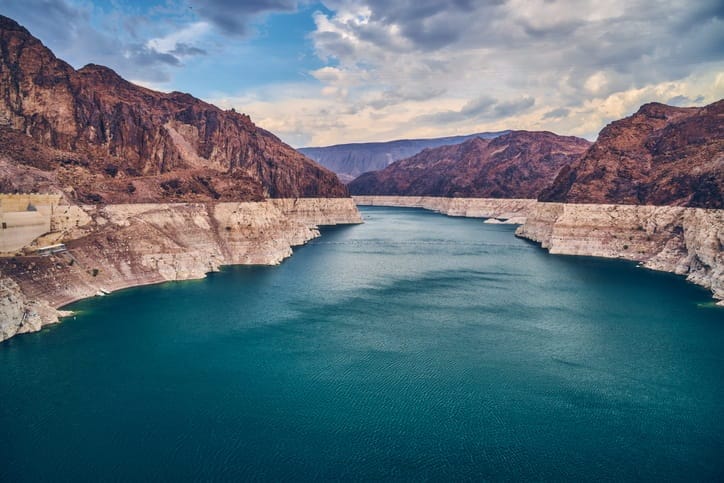
Las Vegas draws most of its water supply from Lake Mead and the Colorado River. By the time that water reaches your home, it carries a heavy mineral load. The desert climate also means water evaporates quickly, leaving mineral deposits behind even faster.
The result? A constant battle against limescale buildup inside and around every appliance that uses water.
How Hard Water Damages Your Appliances
1. Dishwasher
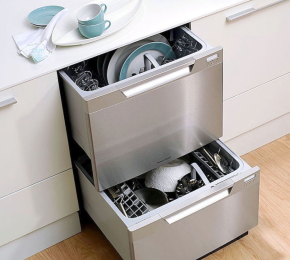
Your dishwasher is one of the first appliances to show signs of hard water damage. Minerals in the water leave white spots on your dishes and glassware, but the bigger problem is what’s happening inside the machine.
What hard water does to your dishwasher:
-
Clogs the spray arms, reducing cleaning power
-
Builds up on the heating element, making it work harder and use more electricity
-
Damages the door seal, causing leaks over time
-
Leaves a white film inside the tub
Warning signs:
Cloudy glasses, white residue inside the tub, dishes not coming out clean, longer wash cycles.
What to do:
Run a dishwasher cleaning cycle monthly using citric acid or a descaling product. Use a rinse aid with every cycle — it helps prevent mineral deposits on dishes and inside the machine.
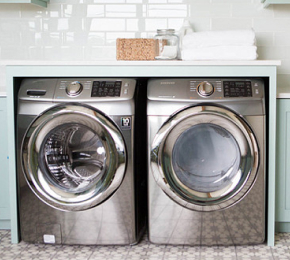
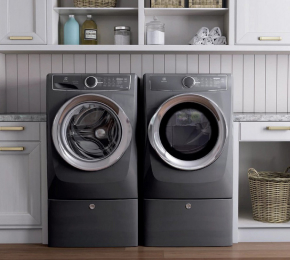
2. Washing Machine
Hard water makes laundry harder than it should be. Detergent doesn’t lather or rinse properly in hard water, which means your clothes may feel stiff, look dull, and wear out faster.
What hard water does to your washing machine:
-
Leaves mineral deposits inside the drum and on internal components
-
Clogs inlet valves and hoses, reducing water flow
-
Causes buildup on the heating element in machines with a hot wash setting
-
Shortens the life of rubber seals and gaskets
Warning signs:
Clothes feel rough after washing, white residue on dark fabrics, washing machine making unusual noises, water filling slowly.
What to do:
Use a liquid detergent formulated for hard water. Run a hot empty cycle with white vinegar or a washing machine cleaner every 1–2 months.
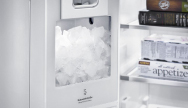
3. Refrigerator Ice Maker and Water Dispenser
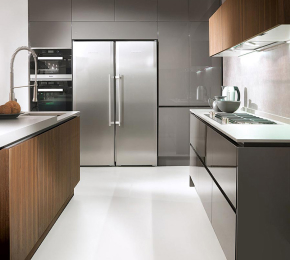
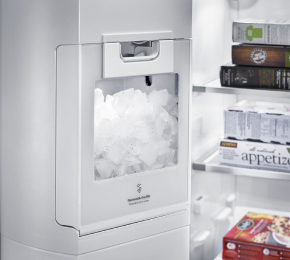
If your refrigerator has a built-in ice maker or water dispenser, hard water is constantly flowing through its internal lines and filters.
What hard water does to your refrigerator:
-
Clogs the water inlet valve with mineral deposits
-
Reduces ice production as scale narrows the water line
-
Causes ice cubes to taste chalky or look cloudy
-
Blocks the dispenser nozzle
Warning signs:
Ice maker producing less ice than usual, cloudy or odd-tasting ice, slow water dispenser, ice maker stopped working completely.
What to do:
Replace your refrigerator water filter every 6 months instead of the standard 12 months recommended in other states. Flush the water line annually.
4. Water Heater
Your water heater works harder than almost any other appliance in your home — and hard water makes it work even harder.
As water heats up, minerals precipitate out of the water and settle at the bottom of the tank. Over time, this layer of sediment acts as insulation between the heating element and the water, forcing the heater to use significantly more energy to heat the same amount of water.
What hard water does to your water heater:
-
Sediment buildup reduces efficiency and increases energy bills
-
Can cause the tank to overheat and fail prematurely
-
Reduces the lifespan from 10–15 years down to 6–8 years
-
Creates a popping or rumbling noise as water boils under the sediment
Warning signs:
Rumbling or popping sounds from the tank, water taking longer to heat, higher gas or electric bills, rusty or discolored hot water.
What to do:
Flush your water heater tank once a year to remove sediment. In Las Vegas, doing this every 6 months is even better.
5. Microwave and Coffee Maker
Smaller countertop appliances aren’t immune either. If your coffee maker uses tap water, scale builds up inside the boiler and tubes over time, affecting taste and performance.
What to do:
Run a descaling cycle with white vinegar or a commercial descaler every 1–3 months.
How Much Does Hard Water Cost You?
The impact of hard water isn’t just on appliance lifespan — it affects your monthly bills too. Studies have shown that scale buildup of just 1/16 of an inch on a heating element can reduce its efficiency by up to 12%. A heavily scaled water heater can use 30% more energy than a clean one.
In a city where summer temperatures regularly exceed 110°F and appliances already work overtime, that extra inefficiency adds up quickly on your utility bills.
How to Protect Your Appliances from Hard Water in Las Vegas
Install a Water Softener
The most effective long-term solution is a whole-home water softener. It removes calcium and magnesium from your water before it reaches your appliances, preventing scale buildup entirely. This is especially worth the investment in Las Vegas given our extreme water hardness levels.
Use Appliance-Specific Descalers
For appliances already affected by scale, regular use of descaling products can break down existing buildup and restore performance.
Schedule Regular Appliance Maintenance
Annual maintenance checks on your major appliances — especially your water heater, washing machine, and refrigerator — can catch hard water damage early before it becomes a costly repair.
Replace Filters More Frequently
In Las Vegas, follow a more aggressive filter replacement schedule than the manufacturer recommends. Refrigerator water filters, HVAC filters, and dishwasher filters all clog faster here than in softer-water cities.
When Hard Water Damage Becomes a Repair Problem
Sometimes hard water damage goes unnoticed until an appliance stops working altogether. If your dishwasher is no longer cleaning properly, your ice maker has stopped producing ice, or your washing machine is making unusual noises, the culprit may be mineral buildup that has clogged or damaged a key component.
At Appliance Savers, we repair all major residential appliances in Las Vegas and Henderson, NV. Our technicians are experienced with the specific wear patterns caused by Las Vegas hard water, and we carry a wide range of parts in our trucks for same-day repairs.
Call us at (702) 575-0575 or visit appliancesaverslv.com to schedule a repair.
Summary: Las Vegas Hard Water and Your Appliances
|
Appliance |
Main Hard Water Problem |
Prevention |
|
Dishwasher |
Clogged spray arms, spotted dishes |
Monthly descaling, rinse aid |
|
Washing Machine |
Stiff clothes, clogged inlet valve |
Hard water detergent, monthly cleaning |
|
Refrigerator |
Clogged water line, slow ice maker |
Replace filter every 6 months |
|
Water Heater |
Sediment buildup, higher bills |
Flush tank every 6–12 months |
|
Coffee Maker |
Scale in boiler, poor taste |
Descale every 1–3 months |
Appliance Savers is a locally owned and operated appliance repair company serving Las Vegas, Henderson, Summerlin, North Las Vegas, and Anthem, NV. Licensed and insured. Call (702) 575-0575 for same-day service.