 Appliance Repair Service in Las Vegas and Henderson



It Safe to Use the Self-Clean Feature? | Oven Repair Las Vegas
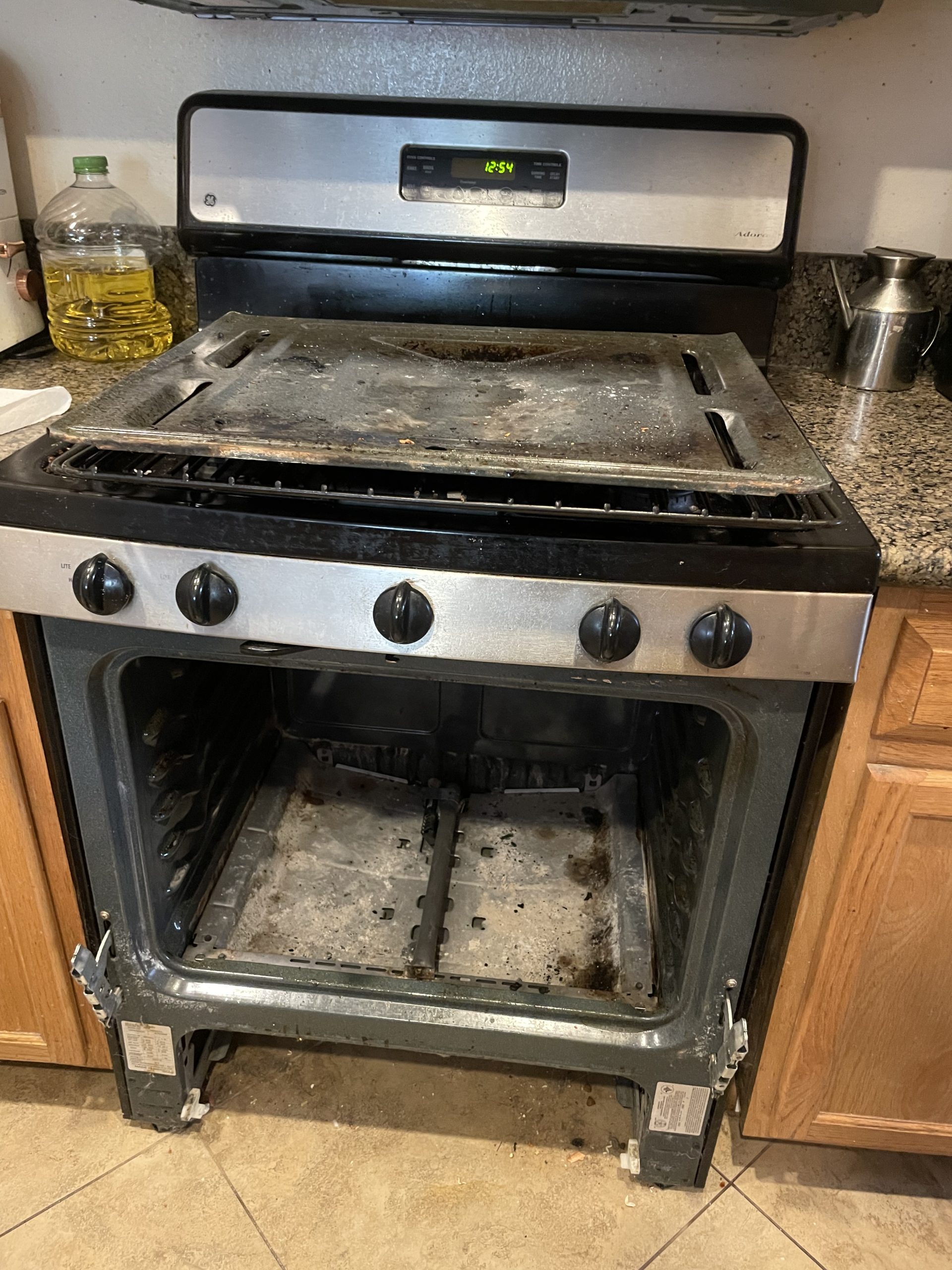
A self-cleaning oven sounds like a great convenience. Press a button, and the oven burns away grease and food residue. However, when you consider the risk-to-benefit ratio, using the self-clean feature can be a bit like swimming in shark-infested waters. There’s no guarantee something will go wrong — but based on professional experience in appliance repair in Las Vegas, the chances of a problem increase significantly after a self-clean cycle.
At Appliance Savers Repair Company, we frequently receive service calls for oven repair in Las Vegas after homeowners run the self-cleaning function. The extremely high temperatures used during this process can damage several important oven components and sometimes lead to costly repairs.
If your oven stops working after a cleaning cycle, it’s best to contact a professional for oven repair Las Vegas rather than attempting to fix the problem yourself.
How Does an Oven Self-Clean?
A self-cleaning oven works by heating the interior to extremely high temperatures — often around 900°F (480°C). At this temperature, food residue, grease, and spills are burned into ash that can be wiped away after the oven cools.
While convenient, this process creates intense heat stress on the appliance’s internal components, which can cause premature failures.
Professional technicians providing appliance repair in Las Vegas often see ovens fail shortly after self-clean cycles because the heat affects sensitive electrical and mechanical parts.
Additionally, the process:
• Uses a large amount of electricity
• Produces significant heat in the kitchen
• Can release smoke and fumes
For these reasons, homeowners should carefully read the manufacturer’s instructions before running a self-clean cycle.
Oven Parts Most Likely to Fail After Self-Cleaning
When customers call Appliance Savers Repair Company for oven repair Las Vegas, these are the components most commonly damaged by the self-clean feature.
High-Limit Thermostat
The high-limit thermostat is one of the most common failures. This safety device shuts off power to the heating elements if the oven overheats.
During a self-clean cycle, the thermostat can trip or fail completely, leaving the oven unable to heat.
Typical symptoms include:
• Oven not heating at all
• Cooling fan running constantly
• Oven appearing to have power but not cooking
This repair usually requires a technician specializing in appliance repair Las Vegas.
Oven Door Lock Problems
During self-cleaning, the oven door automatically locks for safety. However, sometimes the lock mechanism fails and the door remains stuck closed even after the oven cools.
If this happens, do not force the door open, as this can cause further damage to the locking assembly or control system.
A professional technician providing oven repair in Las Vegas can usually resolve the issue quickly.
Burned or Melted Heating Elements
The bake, broil, or convection heating elements can become damaged during self-cleaning due to extreme heat exposure.
Common signs include:
• Oven not heating evenly
• Visible blistering or melting on the element
• Electrical burning smell
Because heating elements involve high voltage, replacement should be handled by a qualified stove repair Las Vegas professional.
Damaged Electronic Control Board
Another frequent issue after a self-clean cycle is a fried electronic control board.
The high heat generated during cleaning can travel through the oven vents and affect sensitive electronic components.
Symptoms may include:
• Oven not turning on
• Display malfunction
• Error codes
Control board replacements often cost $300–$600, and in some cases homeowners consider replacing the appliance entirely. A technician from Appliance Savers Repair Company can help determine the best option.
Melted Stove Knobs
In some cases, the extreme heat escaping from the oven during cleaning can warp or melt plastic control knobs on the stove.
The good news is that knobs are inexpensive and usually easy to replace.
Burned-Out Oven Light
High temperatures can also shorten the life of the oven light bulb.
Fortunately, this is typically one of the simplest repairs and can often be replaced by the homeowner using the correct appliance bulb.
Is the Self-Cleaning Function Safe?
Although the self-clean feature is convenient, it does come with several potential safety concerns.
Carbon Monoxide Risk
During the cleaning cycle, grease and food particles are incinerated, which can release carbon monoxide (CO) and other fumes.
While the exact amount released varies, it is recommended to:
• Keep the kitchen well ventilated
• Open windows if possible
• Avoid running the cycle when the home is tightly sealed
Extremely High Temperatures
Self-cleaning ovens reach temperatures close to 900°F, which can pose burn risks.
Manufacturers typically recommend:
• Keeping children and pets away from the kitchen
• Avoiding contact with the oven exterior
• Ensuring the surrounding area is clear
Fire Hazards
According to the National Fire Protection Association, cooking equipment is the leading cause of home fires.
Oven fires are less common than stovetop fires but can occur if:
• Grease buildup ignites
• Food residue burns excessively
• The oven is left unattended
Regular maintenance and cleaning help reduce these risks.
If your oven shows signs of overheating or burning smells, a technician specializing in stove repair Las Vegas should inspect it immediately.
Safer Ways to Clean Your Oven
Many homeowners prefer alternatives to the self-clean cycle. Fortunately, there are several effective options.
Manual Cleaning
Remove the oven racks and clean the interior using a non-abrasive oven cleaner and a soft cloth.
Cleaning the Oven Door Glass
Some ovens allow you to remove the door panel to clean the inside glass, where grease often accumulates.
Dishwasher Tablet Method
Dishwasher tablets are designed to break down grease and can be effective when lightly scrubbing oven surfaces.
Steam Cleaning
Using a steam cleaner or placing a pan of water in the oven and heating it can loosen grime, making it easier to wipe away.
When to Call a Professional for Oven Repair Las Vegas
If your oven stops heating, displays an error code, or the door remains locked after a self-clean cycle, professional service is recommended.
At Appliance Savers Repair Company, our technicians specialize in:
• Oven Repair Las Vegas
• Stove Repair Las Vegas
• Appliance Repair Las Vegas
We diagnose and repair all major appliance brands and help homeowners avoid costly replacements whenever possible.
✅ Need fast appliance repair in Las Vegas?
Contact Appliance Savers Repair Company for reliable oven repair and stove repair Las Vegas services.